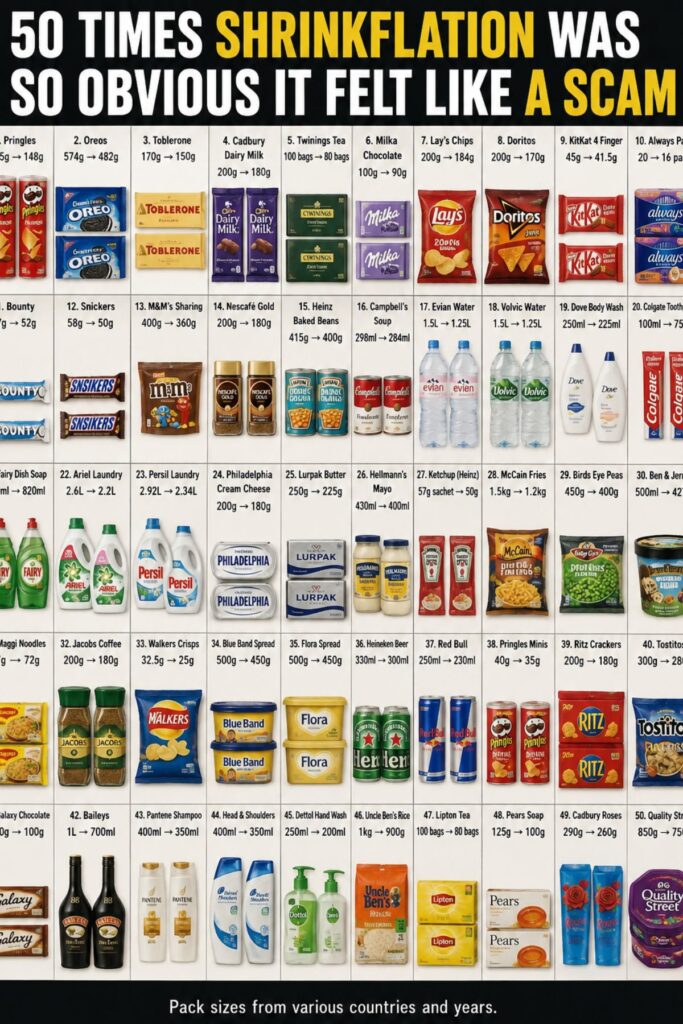

Have you ever opened a freshly bought bag of potato chips, only to find that it was mostly filled with pressurized air? Or perhaps you have noticed that your favorite chocolate bar suddenly has fewer ridges, or that your laundry detergent bottle feels suspiciously light? You are not losing your mind, and your hands haven’t suddenly grown larger. You are witnessing the frustrating economic phenomenon known as shrinkflation.
In the modern marketplace, hidden price increases have become the ultimate corporate weapon. Instead of raising the retail price of an item—which immediately alerts consumers and triggers outrage—companies quietly reduce the size, weight, or volume of the product. The price stays exactly the same, but you get significantly less for your hard-earned money.
When done subtly, it is a sneaky corporate tactic. But when companies get greedy, it turns into a blatant, insulting consumer scam. Reddit threads, viral TikTok videos, and grocery store aisles are filled with evidence of companies pushing boundaries too far.
Get ready to check your pantry, because we are diving into 50 times product downsizing was so hilariously obvious it felt like an absolute rip-off.
The Behind the Grocery Rip-Off
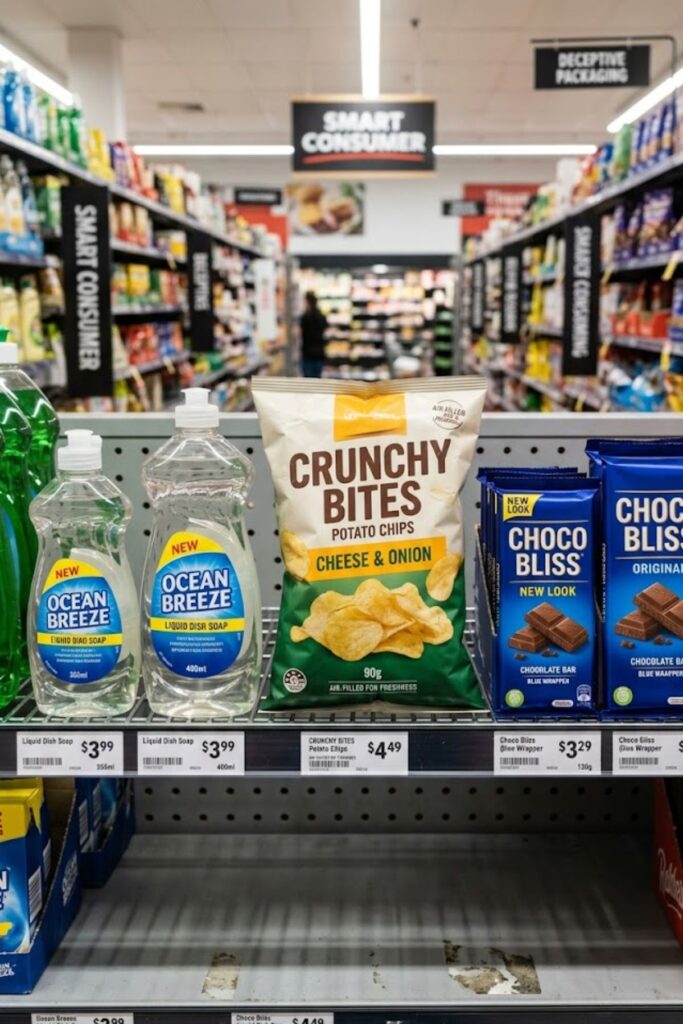
How do brands pull off shrinkflation without causing an immediate mass boycott? It all comes down to clever packaging psychology and structural design manipulation.
- The Illusionary Indentation: Many jars and bottles now feature massive concave dimples or indentations pushed into the bottom. From the front, the container looks full, but the hollow base hides a significant loss of volume.
- The Elongated Neck: Bottled liquids often sport longer, narrower necks. This allows the bottle to maintain its original height on the shelf while secretly containing fewer ounces.
- The Slack Fill Trap: This is the technical term for the empty space left inside a package. Companies claim it protects fragile foods, but stretching the empty space to half the bag is just a hidden cost passed to you.
- The “New Look, Same Great Taste” Lie: Whenever a product introduces a flashy new graphic design or a “more ergonomic” shape, it is almost always a camouflage tactic to distract you from a weight reduction.
1. The Snack Food Swindles
- The Hollow Chocolate Bar: A famous Swiss chocolate brand increased the gaps between its iconic mountain peaks, turning a dense treat into a hollow landscape.
- The Half-Empty Chip Bag: A classic grocery store rip-off. One viral photo showed a brand-name chip bag containing exactly nine individual chips.
- The Shrunken Cookie Tray: A beloved chocolate chip cookie brand quietly removed two cookies from each row while keeping the plastic tray the exact same size.
- The Skinny Candy Bar: King-size candy bars that have slowly morphed into what used to be considered regular-size bars just a few years ago.
- The Missing Doughnut Hole: Packaged powdered doughnuts where the center hole has expanded so much that the actual pastry resembles a thin rubber band.
2. The Beverage and Dairy Deceptions
- The 59-Ounce “Half-Gallon”: Premium orange juice brands quietly dropped their cartons from 64 ounces to 59 ounces. They still sit right next to actual half-gallons, charging the same price for less liquid.
- The Hollow Bottom Yogurt: Yogurt cups that look identical on the shelf but feature a hidden plastic cone pushed deep into the bottom of the container.
- The Shaved Ice Cream Pint: Several major ice cream brands downsized their traditional 16-ounce pints to 14 ounces, relying on the fact that consumers still mentally categorize the container as a pint.
- The Skinny Soda Can: Tall, sleek cans that look high-end but actually hold fewer ounces than the classic, squat 12-ounce aluminum can.
- The Watered-Down Milk Cartons: Plant-based milk brands dropping their package sizes by 15% while printing “New Easy-Pour Spout!” across the front.
Why Shrinkflation Triggers Severe Consumer Outrage
The main reason shrinkflation feels like an economic betrayal is the lack of transparency. If a company raises prices due to inflation, it is a frustrating but understandable reality of global supply chains.
However, downsizing a product while keeping the packaging identical feels intentionally deceptive. It relies entirely on the assumption that the consumer is not paying attention.
It turns everyday grocery shopping into a defensive sport. Shoppers are forced to read the fine print and check the unit pricing on store shelves just to make sure they aren’t being taken advantage of.
3. Canned Goods and Pantry Staples
- The Floating Tuna Can: Tuna cans that look identical from the top but have been shaved down horizontally, leaving a tiny hockey puck of meat swimming in excess water.
- The Shrunken Cereal Box: The classic “Family Size” box that is now noticeably thinner from the side, making it look massive on the shelf but holding vastly less cereal.
- The Half-Filled Spice Jar: Buying a brand-new spice jar only to open it and find the premium powder fills less than half of the glass container.
- The 14-Ounce “Pound” of Coffee: Ground coffee bags that dropped from a traditional 16-ounce pound down to 12 or 14 ounces, destroying traditional morning recipes.
- The Missing Peanut Butter Indentation: Peanut butter jars where the bottom indentation is so deep you could easily fit a golf ball inside it.
4. Household and Personal Care Highway Robbery
- The Transparent Toilet Paper: Toilet paper rolls that are not only narrower across the spindle but have had their cardboard tubes expanded to make the roll look thick.
- The Cardboard Tube Expansion: Paper towel rolls where the interior cardboard core has doubled in diameter, significantly reducing the amount of paper wrapped around it.
- The Light Laundry Detergent: Huge plastic jugs that arrive from the store already missing the top three inches of liquid, disguised by an opaque plastic exterior.
- The Shrunken Soap Bar: A popular brand of body soap curved the middle of their bars inward to “fit the hand better,” secretly cutting 12% of the product weight.
- The Hollow Deodorant Stick: Winding up a brand-new stick of deodorant only to realize the plastic mechanism occupies more than half of the actual container tube.
5. Fast Food and Restaurant Scams
- The Skinny Fast Food Burger: Fast-food chains reducing the diameter of their patties so they no longer reach the edges of the standard bun.
- The Shorted French Fry Scoop: Cardboard fry containers designed with a strategic fold at the bottom that prevents the fries from filling the lower half of the box.
- The Thinned-Out Pizza: National pizza chains rolling their dough significantly thinner, resulting in a large pizza that feels light and leaves everyone hungry.
- The Ice Cube Takeover: Restaurants using massive, customized spherical ice cubes that look beautiful but displace 40% of the actual beverage in your glass.
- The Incredible Shrinking Sub: A famous sandwich chain whose celebrated “Footlong” sub routinely measures in at barely 10 or 11 inches.
The 25 Remaining Blatant Offenders Found by Shoppers
- The 4-Pack Turned 3-Pack: Frozen snack boxes that kept the exact same rectangular dimensions but quietly removed an entire individual serving from the inside.
- The Shrunken Bacon Pack: Bacon packages that dropped from 16 ounces to 12 ounces, relying on the cardboard backing flap to hide the empty space.
- The Microscopic Trash Bag: Kitchen garbage bags that reduced their mil thickness, resulting in bags that split open under half the weight they used to hold.
- The Shaved Dog Food Bag: Pet food manufacturers dropping their massive 40-pound bags down to 34 pounds while keeping the physical bag height identical.
- The Thinned Baby Wipes: Wet wipes that became so incredibly thin and transparent that parents are forced to use double the amount for a single cleanup.
- The Spaced-Out Frozen Pizza: Frozen pizzas where the pepperoni slices are concentrated entirely in the center to look abundant through the box window.
- The Micro-Sized Dish Soap: Dishwashing liquids that reduced their bottle volume by two ounces while bragging about a “More Concentrated Formula!”
- The Shrunken Butter Sticks: Gourmet butter brands changing their wrapping to make the sticks shorter and stouter, hiding an overall volume drop.
- The Vanishing Tissue Count: Pocket tissue packs dropping from 10 tissues per pack down to 8, while keeping the plastic wrap dimensions unchanged.
- The Shorted Pasta Box: Standard blue pasta boxes dropped from 16 ounces to 12 ounces, leaving family recipes short of the necessary carbohydrates.
- The Skimpy Sliced Cheese: Packaged cheese slices that have been rolled out so incredibly thin they tear apart the moment you try to separate them.
- The Shrunken Hair Gel: Stylers dropping their tub sizes from 8 ounces to 6.8 ounces while charging the exact same premium salon price.
- The Air-Pocket Frozen Veggies: Steamable vegetable bags that are packed with so much internal air they take up double the freezer space for a tiny portion.
- The Microscopic Lip Balm: Classic lip balm tubes shortening the actual internal wax stick by a quarter of an inch.
- The Missing Olive Oil: Premium olive oil bottles that switched from glass to a heavily contoured plastic bottle that subtly holds 100ml less liquid.
- The Shrunken Tea Bag: Major tea brands reducing the actual weight of herbs inside each bag, resulting in a weaker, disappointed morning brew.
- The Thin-Sliced Bread: Sandwich bread loaves where the individual slices are cut so thin they instantly disintegrate under a spread of peanut butter.
- The Reduced Cat Treat Tub: Plastic cat treat containers replacing their square bases with a heavy taper, holding fewer treats for your pet.
- The Vanishing Toothpaste Tube: Toothpaste boxes that remain large on the shelf, but contain a tube inside that is noticeably short and crinkled at the end.
- The Hollow Frozen Dinner Tray: Microwave meals utilizing plastic trays with deep dividers and raised centers, creating an illusion of a full meal.
- The Shrunken Pancake Mix: Boxed mixes dropping from 32 ounces down to 24 ounces, quietly reducing the number of weekend breakfasts you can make.
- The Skimpy Granola Bar: Chewy snack bars that have become so incredibly short and narrow they look like sample sizes rather than a full snack.
- The Lightweight Charcoal Bag: Grilling charcoal bags downsized by four pounds, meaning you run out of fuel halfway through the summer barbecue season.
- The Hidden Air Pillows: Boxed chocolates utilizing thick plastic molded inserts to keep the individual candies spaced an inch apart from each other.
- The Micro-Sized Birthday Candles: A pack of birthday candles that are now so incredibly thin they melt completely down into the cake icing before you can finish singing.
Final Thoughts: How to Fight Back as a Consumer
Shrinkflation is a frustrating reality of the modern economy, but consumers are not completely powerless. The absolute best weapon you have in the grocery store aisle is checking the unit price located on the shelf tag. This tells you exactly how much the product costs per ounce, gram, or pound, allowing you to bypass the deceptive packaging entirely.
Whenever possible, consider switching to store brands or buying generic alternatives. Store brands are far less likely to participate in aggressive product downsizing tactics, and they frequently offer the original, full-sized volumes for a fraction of the cost.
By voting with your wallet and refusing to support brands that treat their customers like fools, you send a clear message to corporate boardrooms: we see through the packaging tricks, and we refuse to pay full price for half a product.