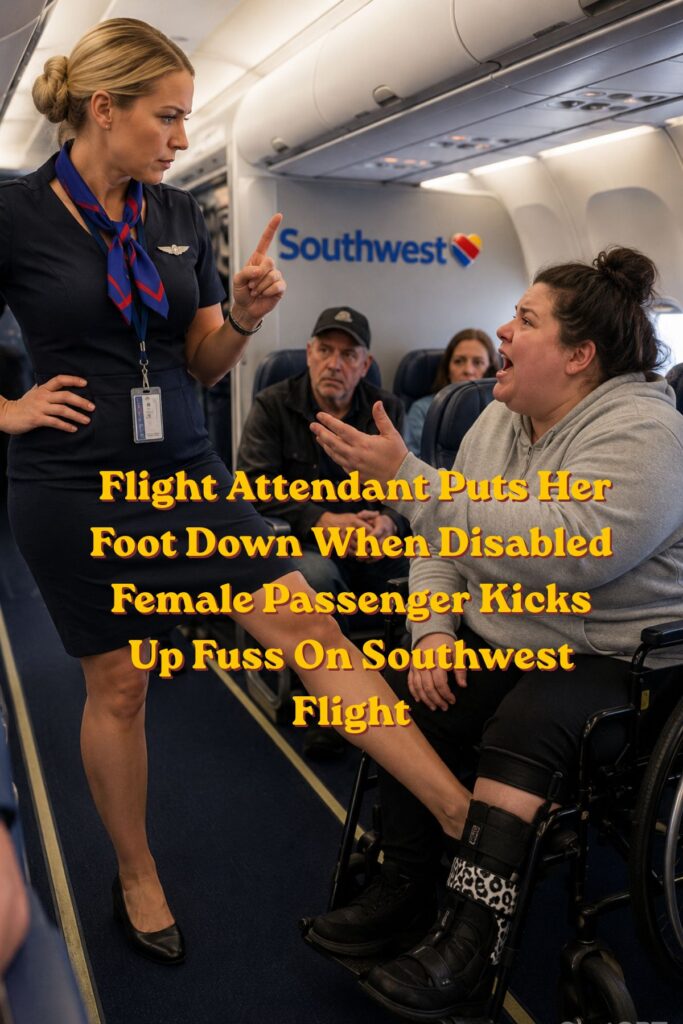

Air travel can bring out the absolute best and worst in human behavior. Between tight cabin spaces, long delays, and the general stress of navigating airports, patience frequently wears thin. But while flight crews are thoroughly trained to handle high-stress situations with grace, there is a definitive line between needing extra assistance and engaging in outright toxic behavior.
A viral incident aboard a Southwest Airlines flight perfectly illustrated this boundary. The confrontation involved a disabled passenger and a fed-up crew member, sparking an intense internet debate. It served as a stark reminder that while accommodations are a fundamental right, common decency is a universal obligation.
When a routine boarding process descended into an aggressive, verbal shouting match, one Southwest flight attendant decided she had reached her limit. She firmly put her foot down, delivering a masterclass in setting personal boundaries at 30,000 feet.
Here is exactly how the dramatic situation unfolded, the viral aftermath, and why the internet is overwhelmingly taking the side of the crew.
The Anatomy of an In-Flight Escalation
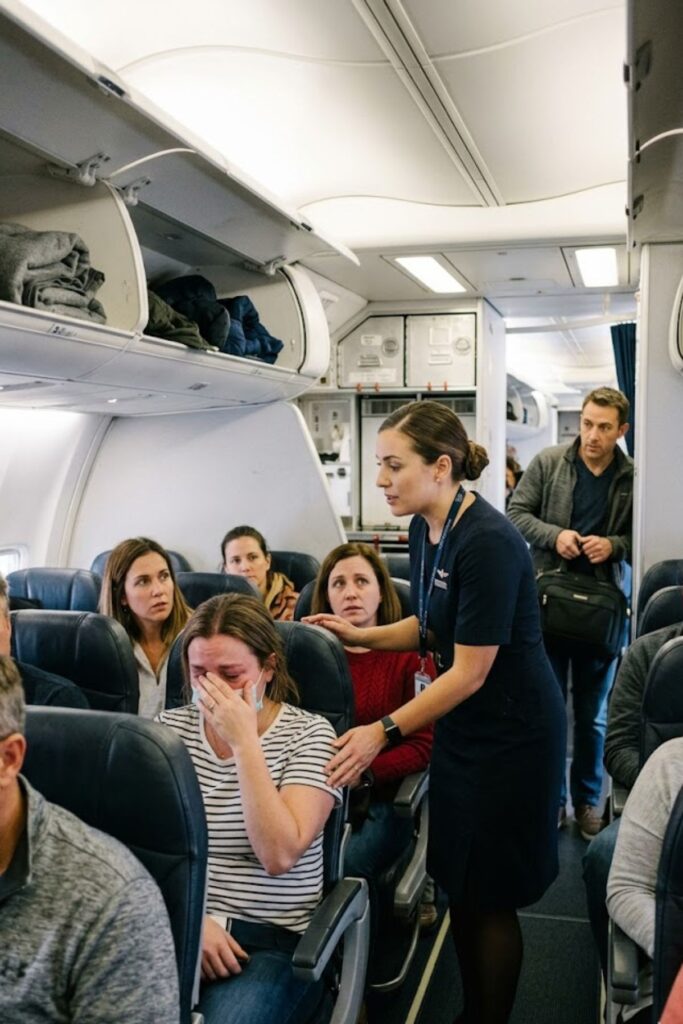
Southwest Airlines is famous for its unique, unassigned open seating policy, a system that frequently requires a high level of cooperation among travelers. During this particular boarding window, a passenger with a visible disability began demanding specialized treatment that went far beyond standard protocol.
- The Initial Request: The passenger requested specific assistance with her seating arrangement and carry-on luggage, which the flight crew initially accommodated without hesitation.
- The Shift to Hostility: According to witness reports and viral video footage, the passenger’s tone abruptly shifted from asking for help to actively berating the staff.
- The Breaking Point: As the flight attendant bent over to assist the woman with her seatbelt, the passenger’s phone accidentally slipped to the floor. Despite the flight attendant immediately picking it up, the passenger launched into a loud, public tirade.
- The Public Accusation: The passenger began loudly complaining to the surrounding cabin, claiming she was being mistreated and making dramatic statements about passengers behind her “using God’s name in vain.”
“I’m Not Gonna Sit Here and Be Berated”
As the tension in the cabin reached a boiling point, the flight attendant realized that staying silent was only enabling the disruptive behavior. Instead of reacting with anger or matching the passenger’s volume, she chose a path of calm, unshakeable authority.
Standing straight and looking directly at the passenger, the crew member delivered a definitive boundary line that instantly silenced the immediate area.
“I’m here to help, but I’m not gonna sit here and be berated,” the flight attendant stated firmly, her voice carrying clearly across the rows.
The interaction was captured on video by a nearby traveler and quickly uploaded to TikTok, where it gathered millions of views in a matter of hours. The caption on the original viral video summarized the collective feelings of the cabin: “Having a disability is not an excuse to mistreat other people.”
The Fine Line Between Accommodation and Entitlement
This viral incident has reopened a vital conversation about the realities of unruly passengers and the physical and emotional safety of airline crew members. Federal laws, such as the Air Carrier Access Act, strictly ensure that passengers with disabilities receive comprehensive, dignified assistance throughout their journeys.
However, industry experts note that these legal protections are designed to guarantee accessibility—they do not grant a license to abuse airline staff.
The True Scope of Flight Attendant Responsibilities
- Safety First, Comfort Second: Flight attendants are primarily trained as first responders. Their core job is to navigate evacuations, medical emergencies, and cabin safety, not to tolerate verbal degradation.
- The Rise of Cabin Hostility: The Federal Aviation Administration has reported a sustained, worrying trend of passenger disruptions over recent years, forcing airlines to adopt zero-tolerance policies.
- Emotional Labor Fatigue: Airline employees are expected to maintain an upbeat, customer-first attitude, but chronic exposure to hostility is driving high rates of industry burnout.
- The Power of Cabin Authority: The captain and crew hold absolute legal authority over the aircraft. If a passenger’s behavior is deemed a threat to cabin order, they can be legally removed prior to departure.
The Internet Reacts: Why Public Opinion Sided with the Crew
In many viral disputes involving customer service, public opinion can split down the middle. But in this case, the internet response was overwhelmingly unified in defense of the Southwest Airlines crew.
Comment sections across TikTok, Reddit, and X (formerly Twitter) praised the flight attendant for her professional yet firm delivery. Many users pointed out that true inclusion means treating individuals with disabilities as equals—which includes holding them to the same standards of basic human respect as everyone else.
| Platform | Primary Consumer Sentiment | Key Takeaway From Users |
| TikTok | 95% Supportive of Crew | Praised the flight attendant’s calm tone under intense pressure. |
| Deep Systemic Discussion | Highlighted that inflight service workers deserve safe work environments. | |
| X (Twitter) | Viral Retweets & Trends | Noted that personal struggles never justify the public humiliation of others. |
The Golden Rule of Modern Travel: Building Rapport
Navigating an airport with a physical limitation, an invisible illness, or severe travel anxiety is an undeniably difficult task. The aviation system can feel cold, bureaucratic, and physically exhausting.
However, travel advocates emphasize that the absolute best way to secure exceptional care from airline personnel is to build immediate, positive rapport. When someone does not personally benefit from going above and beyond for you, approaching them with kindness, clarity, and patience makes them far more likely to champion your needs.
When a passenger chooses to lead with hostility, entitlement, or dramatic outbursts, it instantly alienates the very people who have the logistical power to make their flight comfortable.
Final Thoughts: Respect is a Two-Way Street
The dramatic showdown on this Southwest flight serves as a permanent reality check for the traveling public. It stands as a powerful reminder that every single individual aboard an aircraft—from the captain in the cockpit to the passenger in the final row—deserves to be treated with basic dignity.
The flight attendant didn’t just protect her own peace of mind when she drew that line; she protected the emotional atmosphere of the entire cabin. By refusing to accept verbal abuse under the guise of customer service, she demonstrated that professional boundaries are non-negotiable.
As we pack our bags for future journeys, let’s carry a little extra patience in our pockets. Air travel works smoothly only when we remember a simple, universal truth: respect is a two-way street, and it remains completely free to be kind.